
3rd Week of Easter
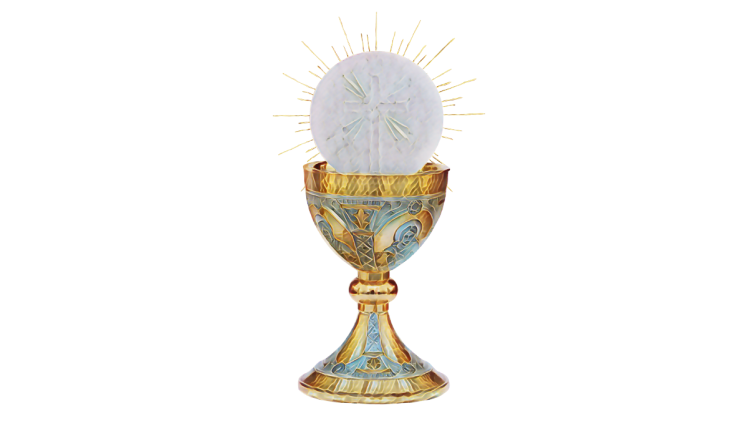
Mystagogical Catechesis on the Eucharist
The fourth stage of what is now known as the Order of Christian Initiation of Adults (OCIA) is called mystagogy, a term derived from the Greek words meaning “to lead through the mysteries.” Traditionally, mystagogy extends throughout the Easter season until the feast of Pentecost. This is a period of accompaniment for new Catholics as they discover what it means to fully participate in the sacramental mysteries of the Church.
The newly baptized are called “neophytes”, from the Greek words meaning new plant, because the faith has been newly planted in them. Even though their catechetical preparation has been completed, they still have much to learn about what it means to live the Catholic faith. During Mystagogy, new Catholics, even lifelong Catholics, should reflect on their experience of conversion, learn more about the Church, and consider how they might be involved in charitable activities and outreach. Mystagogy invites the faithful to reflect on their encounters with Christ in the sacraments and then consider the transformative effects those encounters have on their daily lives.
Mystagogical Catechesis on the Eucharist
In regard to the Eucharist, mystagogy focuses on deepening the understanding of the sacrament by connecting the visible rites with the invisible mysteries that they signify, along with exploring how the Eucharist impacts the lives of believers. It aims to guide participants towards a richer appreciation of the Eucharist as the source and summit of the Christian life, helping them see how it transforms their daily existence.
Key aspects of mystagogical catechesis on the Eucharist are: (1) Connecting the visible and invisible: Mystagogy interprets the liturgical rites, such as the consecration of the bread and wine, in light of the events of salvation history, helping participants understand the deeper meaning of the sacrament. (2) Focusing on the meaning of signs: It explores the symbolism within the Eucharistic liturgy, such as the incense, the bread, and the wine, and how these signs point to the presence of Christ and his sacrifice. (3) Emphasizing the impact on daily life: Mystagogical catechesis helps participants understand how the Eucharist shapes their thoughts, actions, and relationships, encouraging them to live out the mystery in all aspects of their lives. And (4) it prompts a lifelong process: Mystagogy is not just a one-time instruction but a continuous journey of deepening understanding and living out the mystery of Christ.
Examples of mystagogical reflection include: (a) The Offertory of the Mass: Examining the significance of offering gifts of bread and wine, and the importance of offering oneself with Christ in this act. (b) The Rite of Consecration: Reflecting on the words of consecration and how they transform the bread and wine into the body and blood of Christ. And, (c) Reception of Communion: Considering the intimate union with Christ that occurs when receiving the Eucharist, and how this union transforms our lives.
For more information: Gilbert Ostdiek, OFM. Mystagogy of the Eucharist: A Resource for Faith Formation.

