
2nd Week of Lent
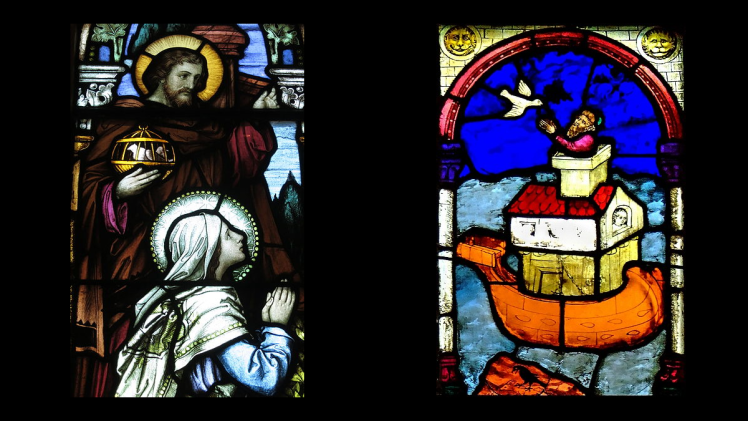
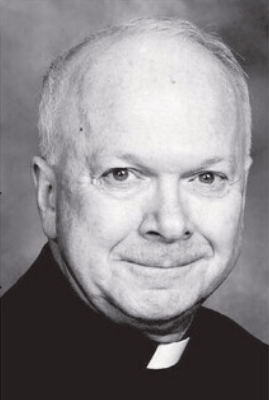
Joseph & Noah – Righteous & Just
Scripture refers to Joseph as a righteous or just man (Mt 1:19). The adjective for “just” that is used in the original Greek text of Matthew’s gospel to describe Joseph is the word dikaios (Gk. δίκαιος), which can be translated either as “just” or as “righteous”. Dikaios can be used to describe someone who is righteous or just, and does so both in terms of their relationship with God and their conduct towards others.
“Just” conveys the idea of being in right standing with God, adhering to His laws, and living a life that reflects God’s character. In a legal sense, the word can also refer to someone who is justified or declared righteous. In regard to Joseph, he was just or righteous because he was a holy and devout Jew who fulfilled the two greatest commandments— he loved the God of Israel with all his heart and strength, and he loved his neighbor as himself. Joseph was also a man of prayer who knew the Psalms and the Mosaic Law inside and out, and, like all devout Jews at that time, he prayed at least three times a day. This just man fulfilled all that was required of him with the humble heart of worship, not legalism. Unlike the Pharisees, he understood the spirit as well as the letter of the Law.
Saint Jerome’s Latin Vulgate translates that Greek adjective dikaios into Latin as iustus and uses it not only to identify Joseph as such but also for Noah. It’s conceivable, then, that Saint Matthew could be alluding to a typological relationship between the Patriarch Noah and Joseph the greatest of all Patriarchs. In biblical typology the antitype not only fulfills, but always surpasses the preceding type. In Matthew’s genealogy of Jesus that is prior to this declaration about Joseph (Mt 1:1-16), Noah can be seen as a type of Joseph. So, the just or righteous Joseph not only fulfilled what Noah exemplified but surpassed that earlier patriarch in a supreme fashion. Any reflection on Joseph, then, entails thinking about Noah and concluding that not only does Joseph embody all the positive attributes of Noah and all the other Old Testament patriarchs, but that Joseph’s righteousness outdoes them all.
“Noah found favor with the Lord…[and] was a righteous man and blameless in his generation” (Gen 6:8-9), so Noah was identified as just and blameless. To be without blame, hence, blameless, means to be morally perfect or sinless. The Greek word τέλειος means wanting nothing in completeness; hence, “having reached its end, finished, complete.” When teleios is applied to persons it means “complete, accomplished, perfect in his or its kind.” It is also related to the Greek word τέλος, which means “the end,” or “the fulfilment or completion” of anything, and this word τέλος was the Greek word that both Plato and Aristotle used to name the function, purpose, or end of a thing. Therefore, the Greek word τέλειος by virtue of its similarity to the word “perfect” gives a more precise sense of completion than the English word because the Greek word states that to be perfect something is “done or made completely” such that it has fulfilled its function, purpose, or end.
What is the end of man? By the “end of man” we mean the purpose for which Adam was created. Hence, when Saint Joseph is called a “just man,” with teleios understood as implying perfection or completion, since that attribute is applied to Noah, it should also be applied to Joseph through the mere description of the spouse of Mary being a “just man.” Saint Paul uses the word teleios to describe Christians who have fully developed their faith in Christ (Col 1:28). As just , among the many attributes summarized by that title, Joseph has manifested his spousal righteousness by upright behavior, faith, compassion, love for Mary and Jesus, and for his neighbors.
Excerpted from http://www.catholicinsight.com. Joshua Francis Filipetto. “Joseph, the Very Type of the ‘Just Man’”. 4 December 2021
 Nature and dignity