
Sixth Week in Ordinary Time
Genesis—Chapters One thru Eleven
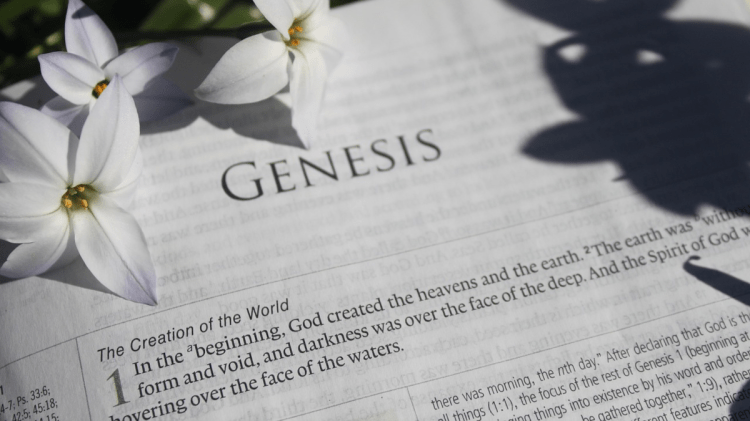
The word Genesis (geneseōs) comes from the Septuagint or the Greek translation of the Hebrew Bible. According to Genesis 2:4, literally, it is “the book of the generation (Gk. γενέσεως) of the heavens and earth.” Its title in the Jewish Scriptures is the opening Hebrew word, bereshit, “in the beginning,” which is not only the first word of the Jewish Torah, but also the opening noun in the Gospel according to Saint John, which alludes to the Torah. The two chapters of the book’s beginning section (Gen 1:1-2:3) contain the creation account (1:1–2:3) and highlights two themes that have major roles in each section—the divine command to Adam and Eve (standing for the whole race) to produce offspring and to possess land (1:28). Then, either the account’s continuation or another version describes the Garden of Eden (2:4-25). In the first eight chapters (Ch 2-9), progeny and land appear in the form of births and genealogies, and the allotment of land follows (chaps. 10–11). In the subsequent chapters, progeny and land appear in the form of promises made to descendants and the allotment of land to the ancestors. Scholars identify two major sections in the Book of Genesis: the creation and expansion of the human race (2:4–11:9), and the account of Abraham and his descendants (11:10–50:26). The first of those two sections deals with God and the nations, whereas the second deals with God and a particular nation, Israel.
Monday – Genesis 4:1-15, 25
The first sin in Genesis is Adam and Eve eating the forbidden fruit from the Tree of Knowledge in the Garden of Eden. After falling to temptation, humans are ashamed and foolishly attempt to hide from God. When confronted with their sin, the man and woman confess, but also attempt to shift the blame to others. Original sin then becomes fratricide and, in sparing Cain, God reminds us that even in spite of our weakness – or outright depravity – that He is a God of grace and second chances. The focus of the account dealing with the two brothers details the competition between them leading up to Cain’s murder of Abel. This incident is often used to contemplate themes of jealousy, violence, and the consequences of sin.
Tuesday – Genesis 6:5-8, 7:1-5, 10
The increasing wickedness of humanity illustrated how deeply the human family had fallen into sinfulness. Sin became so universal that a troubled God decided to complete the work of destruction that the human family had begun (Gen 6:13). In the midst of the sinful, God sees Noah as a good man and decides that humanity will survive through Noah’s family and the ark. God closes the door of the ark, showing his care for all inside and for the future human family. The flood comes, joining the waters of the sky with the waters on the earth. As the ark floats higher, everything beneath it drowns. For forty days and nights it rains. It is another 150 days before the water recedes.
Wednesday – Genesis 8:6-13, 20-22
The “dry land appears after the flood” when the waters had receded, allowing the earth to become visible again, with the most significant verse describing this event being found in Genesis 8:13, which states that “on the first day, the waters began to dry up on the earth” marking the end of the flood and the reappearance of dry land.”
Thursday – Genesis 9:1-13
Noah sends out birds to see if it is safe to disembark. He first sends a raven, then a dove. The second time he sends the dove, it returns with an olive branch in its beak. God then tells Noah to leave the ark with his family and all of the animals and begin to repopulate the earth. God makes a covenant with all the living. Although the evil in the human heart continues to flourish, God promises that never again will he destroy the earth in a flood. The sign of this covenant, or promise, is the rainbow.
Friday – Genesis 11:1-9
When God blessed Noah and his offspring after the global flood, the Lord told them to “be fruitful and multiply and fill the earth” (Gen 9:1). But only about a century later, it seems that humanity had no interest in obeying the command to fill the earth. Fueled by pride, the people preferred to “make a name” for themselves and build a city with a high tower, enabling them to remain together in defiance of God’s command. The proposed construction began. Composed of brick and mortar, this city was intended to be permanent and impressive—a fortress against any natural or supernatural attempt to disperse mankind throughout the earth. But God was neither unaware of their actions nor powerless against their plans. Nonetheless, in his mercy, he intervened—not by destruction as he had during the flood, nor by directly driving them out to be fugitives or wanderers. No, instead, God divided their single language into multiple language families.
Excerpted from http://www.answersingenesis.org
 Nature and dignity