
First Week of Advent
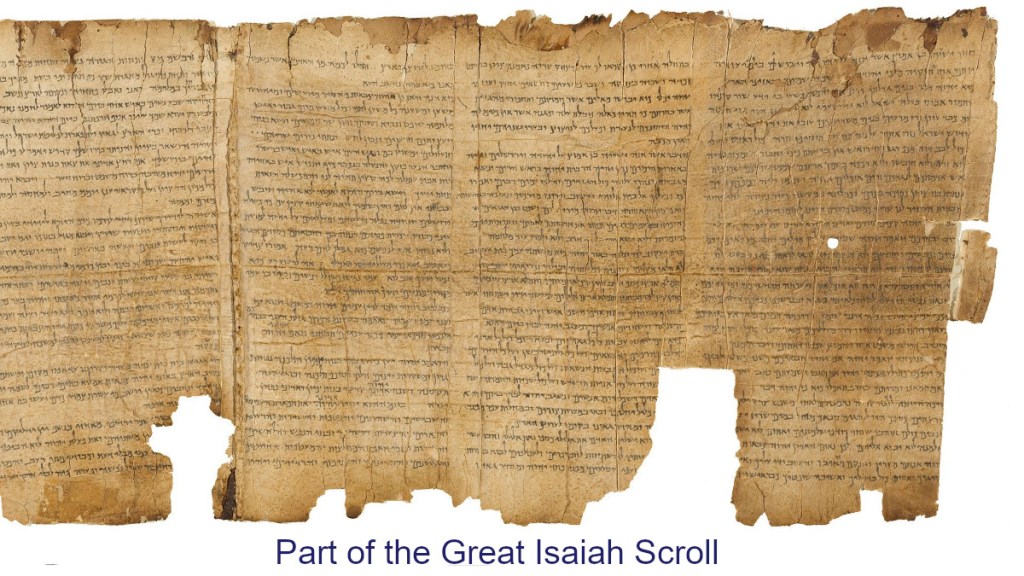
Isaiah the Prophet and Advent
Isaiah’s writings are prominent in the liturgies of Advent and Christmas for several reasons. First, he is a prophet of hope and new beginnings. In particular, he speaks of the birth of a new king who will be a “Wonderful Counselor” and “Prince of Peace.” Isaiah’s own prophetic eye may have looked no further than the birth of King Ahaz’s son Hezekiah, who did turn out to be one of the better (though by no means perfect) kings of Judah. But Christians have seen in his words a foretelling of the birth of Jesus.
Isaiah is also a prophet of the compassion of God. The God portrayed by him is a God of mercy, comfort and consolation, much like the Father of whom Jesus spoke. Isaiah was the first to articulate that the God of Israel is also the God of all people. God’s mercy was to reach beyond the boundaries of Jerusalem and Judah to extend to all peoples in every corner of the earth. Jesus, who brought the gospel to both Jews and Gentiles alike, very consciously exercised His public life in the spirit of Isaiah. Finally, Isaiah is a prophet of peace and justice. Harmony among all peoples and compassion for the poor are the hallmarks of God’s presence.
In these matters Jesus spoke out of a prophetic tradition that truly began with Isaiah. His various prophecies about the coming Messiah are often described by scholars as “prophetic foreshortening,” meaning they appear to be closer to the Messiah’s works than they actually were. This is because Isaiah never specifies when the Messiah will accomplish what, as a prophet, he describes. Foreshorten does not even sound like a real word, but it is. It means to portray something as closer than it is or as having less depth or distance than it really does. Mountains are often perceived as foreshortened, that is, from one perspective, they look like a single mountain with several peaks. Then, from a different vantage point or perspective, you see them for what they are: many mountains.
The Catholic theologian Gerald O’Collins, S.J., has called the writings of the prophet Isaiah “the fifth gospel.” By this he means that so many of the themes of the gospels, enfleshed in their portrayal of Jesus, have their scriptural beginnings in Isaiah. Isaiah’s connection to the future life of Jesus seems particularly strong in the Advent and Christmas seasons. Even the prophet’s name — Isaiah means “Yahweh saves” — foretells the Incarnation.
During the time of Jesus, nearly 800 years after the prophet Isaiah’s own life and death, the words of Isaiah continued to be read prominently in the first-century synagogue. Jesus probably heard more about what Isaiah had to say than He did in regard to any other prophet. In the gospel of Luke, Jesus begins His public life by reading a passage from the prophet Isaiah and applying the message to His own ministry (Lk 4:16-21).
The writings of Isaiah are distinguished among the Old Testament writings for their extraordinary literary quality. Isaiah was a poet who used vivid, powerful images and symbols to convey his message. He manages to preach even uncomfortable messages in a style that makes them possible to digest.
Excerpted from http://www.bustedhalo.com. Fr. Joe Scott. “Why do we read so much from the prophet Isaiah during Advent and Christmas?” 19 December 2022
 Nature and dignity